




Blog
Beyond the Sticker Specs: Why Thermal Management is the True Heart of Battery Performance

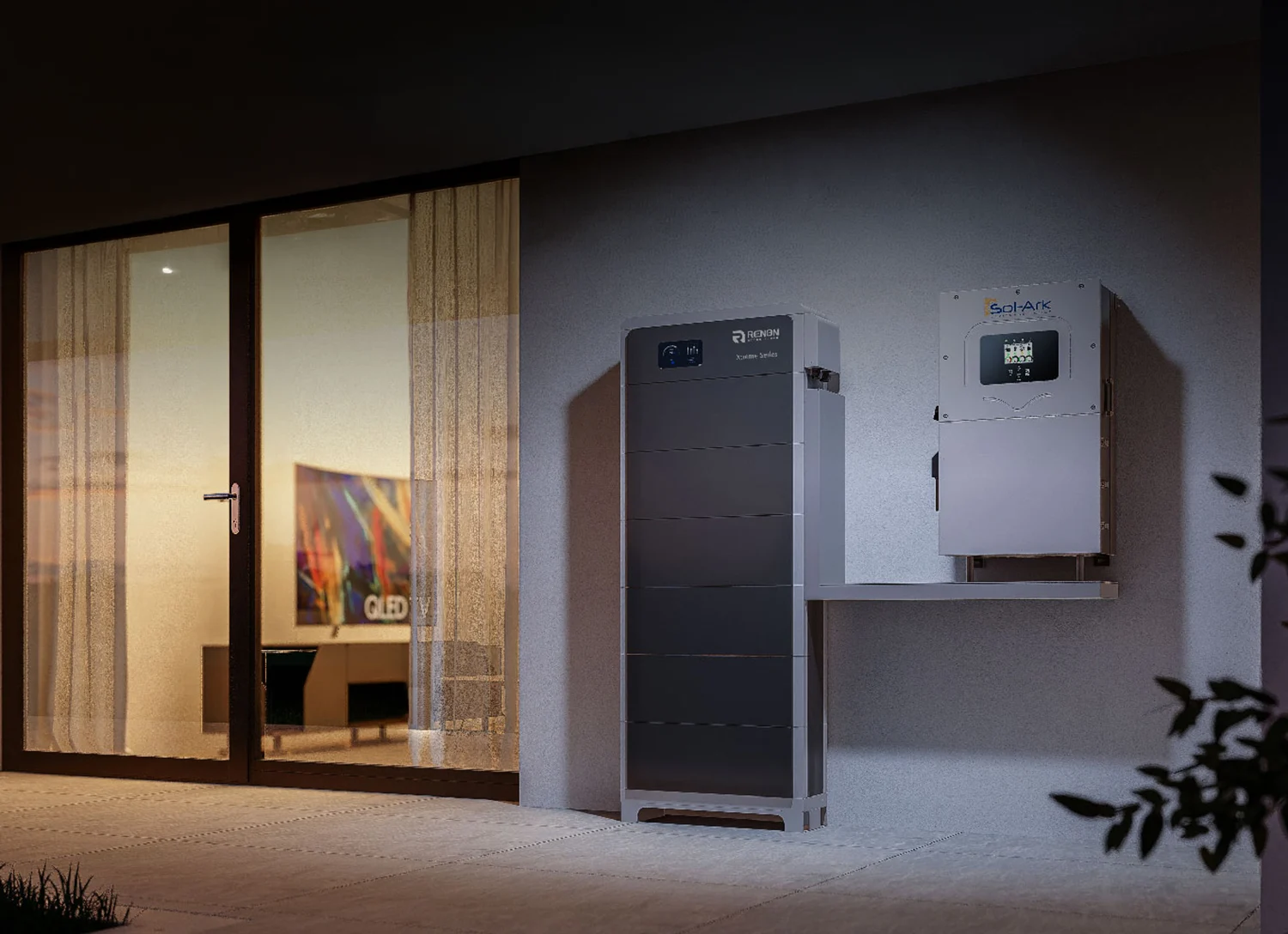
When you look for a home or business energy storage system, what’s the first thing you look at?
If you are like most people, you check the sticker specs:
- How many kilowatt-hours (kWh) of capacity do I get?
- What is the continuous power output (kW)?
- How long is the warranty?
- What is the bottom-line cost?
While those metrics are incredibly important, there is a hidden variable that dictates whether a battery actually hits those numbers in the real world: thermal management.
Temperature doesn’t just affect how a battery feels. It fundamentally shapes how it behaves, how fast it degrades, and how reliably it can deliver power when you need it most—like during a severe storm or a mid-summer grid failure.
Batteries Are Dynamic Electrochemical Systems
It is easy to think of a battery as a static box that holds electricity, but it is actually a dynamic, living chemical environment.
Inside every Lithium Iron Phosphate (LFP) battery, millions of microscopic lithium ions migrate between an anode and a cathode through a liquid or gel electrolyte every single second.
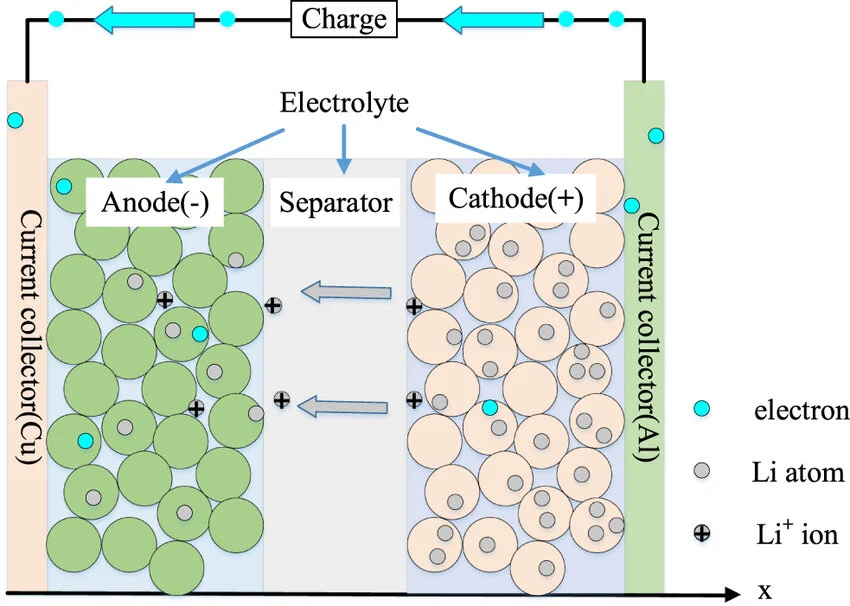
Internal mechanics of an LFP cell
Because these physical reactions depend on fluid dynamics and chemical kinetic energy, they are incredibly sensitive to ambient temperature changes:
- When it is too hot: The internal chemical reactions accelerate aggressively. While this might temporarily boost performance, it causes the battery cells to age prematurely, permanently cutting down their total usable lifespan.
- When it is too cold: The internal chemical reactions slow to a crawl. The internal electrolyte fluid stiffens, causing resistance to spike. The result? Sluggish charging and a massive drop in instantaneous power output.
This means a standard battery installed in a temperate, climate-controlled garage will perform completely differently than the exact same battery mounted outdoors in a brutal Texas summer heatwave or exposed to a freezing Northeast winter.
How Extreme Temperatures Steal Your Power
If your backup power system cannot deliver when the weather gets extreme, it isn’t truly providing resilience. Temperature impacts your day-to-day operation in two major ways:
1. Instant Peak Power (kW Output)
When a blackout strikes, your battery needs to step up instantly to handle large power spikes —like starting up an air conditioner or running water pumps.
- In the heat, a battery might struggle to shed the extra thermal energy generated by heavy discharging. To protect itself, the internal Battery Management System (BMS) will “derate” (forcefully throttle) your power output, or trigger a safety shutdown right when you need cooling the most.
- In the cold, the elevated internal resistance limits how fast energy can exit the cells, leaving you with less available wattage to run your home.
2. Charge Acceptance & The C-Rate
“C-Rate” measures how quickly a battery can safely fully charge or discharge. In freezing weather, trying to fast-charge a cold LFP cell can cause lithium plating—an irreversible internal buildup that permanently ruins the cell structure. To prevent this, unmanaged batteries will severely restrict charging speeds until the ambient air warms them up, wasting valuable solar production windows.
The Lifespan Equation: Passive vs. Active Management
The strategy a battery uses to manage its temperature is often the deciding factor in whether your investment lasts 10 years or 15+ years.
While many off-the-shelf LFP options on the market target a 6,000-cycle lifespan, premium engineering yields much higher baselines.
The Renon Advantage: Renon Power batteries are engineered to deliver 8,000 cycles under optimal thermal conditions.
How do you keep conditions optimal? Energy storage systems generally fall into two design camps:
THERMAL STRATEGY |
HOW IT WORKS |
THE PROS |
THE CONS |
| Passive Systems | Relies on ambient air, metal casing heat sinks, or natural ventilation fan layouts. | • Simpler mechanical build • Lower initial shelf cost |
• Completely dependent on the environment • Vulnerable to premature cell degradation in harsh climates |
| Active Systems | Features integrated heating, direct cooling, and smart automated temperature sensors. | • Consistent internal cell temperatures • Maximized asset lifespan (8,000 r cycles) • Predictable power output |
• Slightly more advanced internal engineering |
Renon Power’s Active Heat Film: Autopilot Temperature Regulation
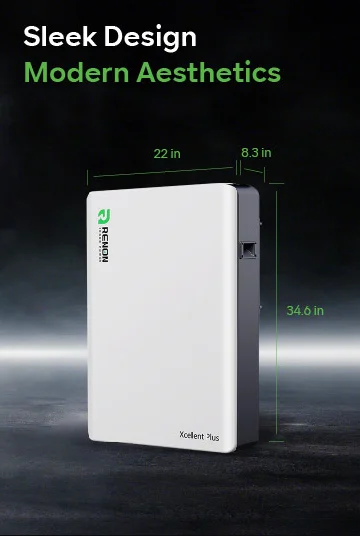
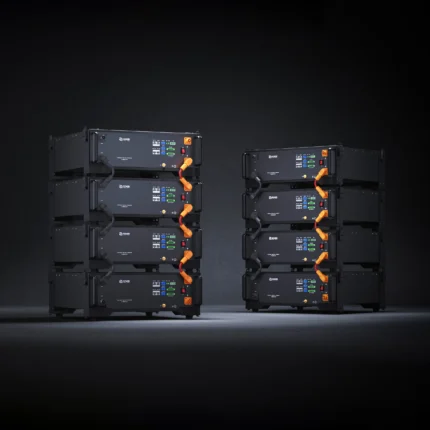
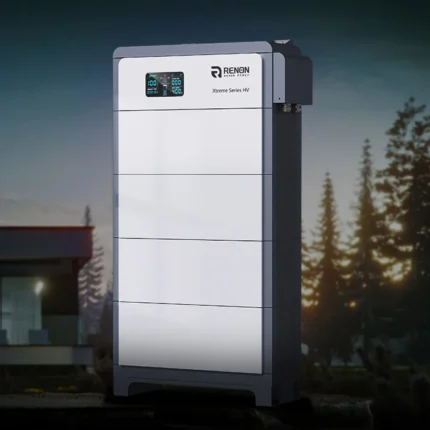
To eliminate environmental limitations, Renon Power integrates an intelligent, responsive heat film technology directly into the core of its battery architecture.
Rather than relying on the room around it to stay warm, the battery monitors its own internal health. When internal sensors detect temperatures dropping toward 32°F (0°C), the system automatically activates the integrated heat film.
[Internal Temperature Drops Toward 32°F / 0°C]
|
[Autonomous Heat Film Activation]
|
[Real-Time Cell Optimization & Stabilization]]
This active heating element warms the cells back into their optimal electrochemical sweet spot before any major charging or discharging strain can occur. This self-regulating “autopilot” approach prevents winter charging delays, avoids winter operational power limits, and eliminates the micro-cracking mechanical stress that ruins long-term capacity.
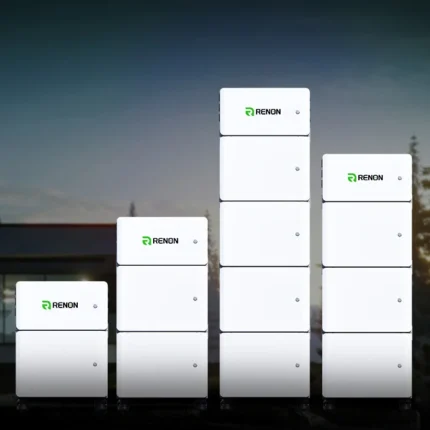
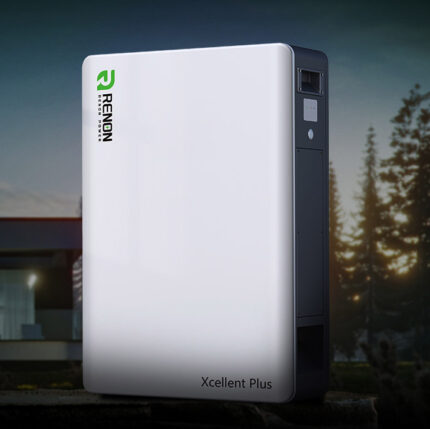

The Ultimate Combo: Renon Power + Sol-Ark Inverters
True energy independence happens when smart battery engineering meets world-class power conversion.
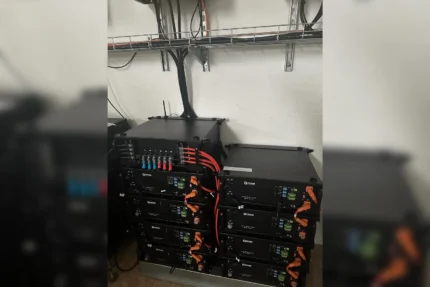
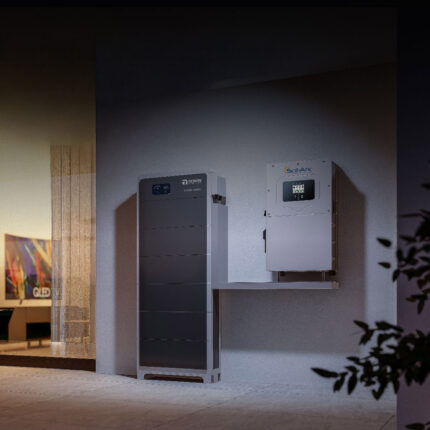
Clean, high-performance hybrid inverter and battery installation
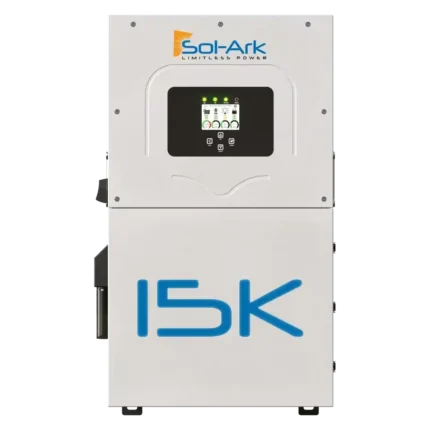
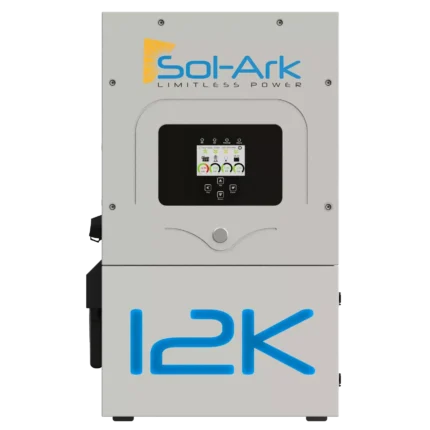
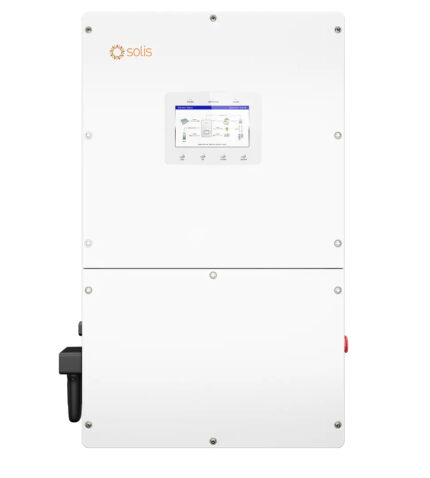
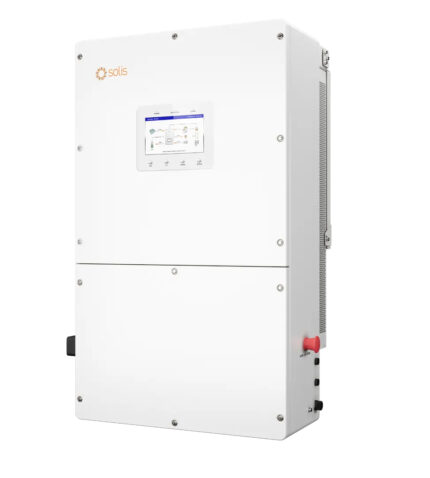
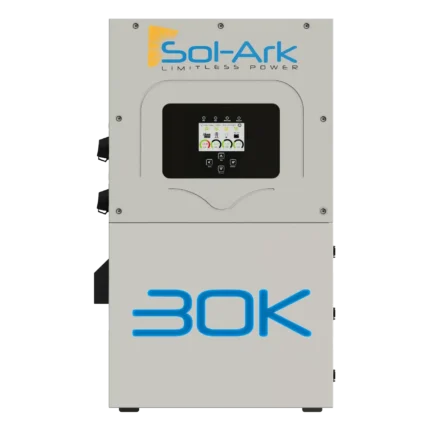
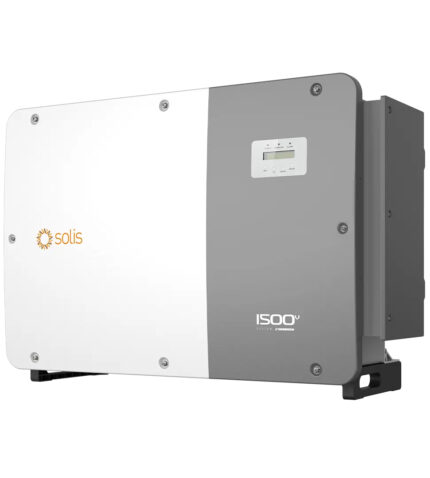
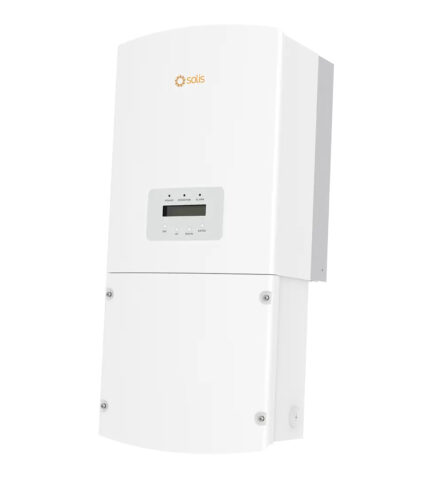
When you pair Renon Power’s thermally stable batteries with a Sol-Ark hybrid inverter, the two systems communicate seamlessly. Sol-Ark’s advanced control platform specializes in coordinating solar arrays, battery banks, and the grid in real time to maximize your economic savings and backup capabilities.
By providing a Sol-Ark inverter with a battery bank that remains thermally stable year-round, you get:
- Smarter Energy Dispatching: The inverter can calculate exactly how much power is available down to the watt, without worrying about sudden, unexpected temperature throttling.
- True Peace of Mind: Homeowners and businesses get uncompromised, automated performance whether they are dealing with a mid-summer rolling blackout or a freezing ice storm.
- Installer Reliability: Solar installers experience far fewer service calls and “truck rolls” caused by environmental temperature faults, leading to a much higher return on investment.
Conclusion: Look Inside the Box
As the modern energy landscape evolves, we have to look past the basic capacity numbers printed on the side of the box. True energy resilience isn’t just about how much energy your battery can store on a perfect day—it is about how much of that power you can actually extract safely when weather conditions are at their absolute worst.
By prioritizing intelligent, active thermal protection, Renon Power and Sol-Ark deliver a system built to perform reliably, safely, and efficiently—season after season, for decades to come.
Want to Learn More?
Contact Multibatteries & Forklifts, CRL.
Email: info@mbfpr.com
Phone: 787-704-7100